
[ Device Integration ]
What Is Device Integration, and Why Does It Matter?
Connecting a device is only the beginning. The real work is turning many protocols, formats, and physical systems into dependable data that software can use.

Sachindu Umayangana
Senior Software Engineer @ FACTn Software LLC
3 min read
When people hear "device integration," they often think it is simply connecting a device to an application.
In reality, it is much more than that.
Device integration is the process of enabling devices, machines, sensors, and controllers to communicate reliably with software platforms so that data can be monitored, analyzed, and acted upon.
Device integration is already everywhere
Think about where this happens every day:
Manufacturing
Machines reporting production data in real time.
Healthcare
Medical devices sending patient measurements to hospital systems.
Energy
Smart meters providing live consumption data.
Logistics
GPS trackers and sensors monitoring fleet operations.
Smart Buildings
HVAC, lighting, and access control systems working together.
The challenge is not just getting data from a device.
It is ensuring that data is:
- Reliable
- Secure
- Standardized
- Scalable
- Available when the business needs it
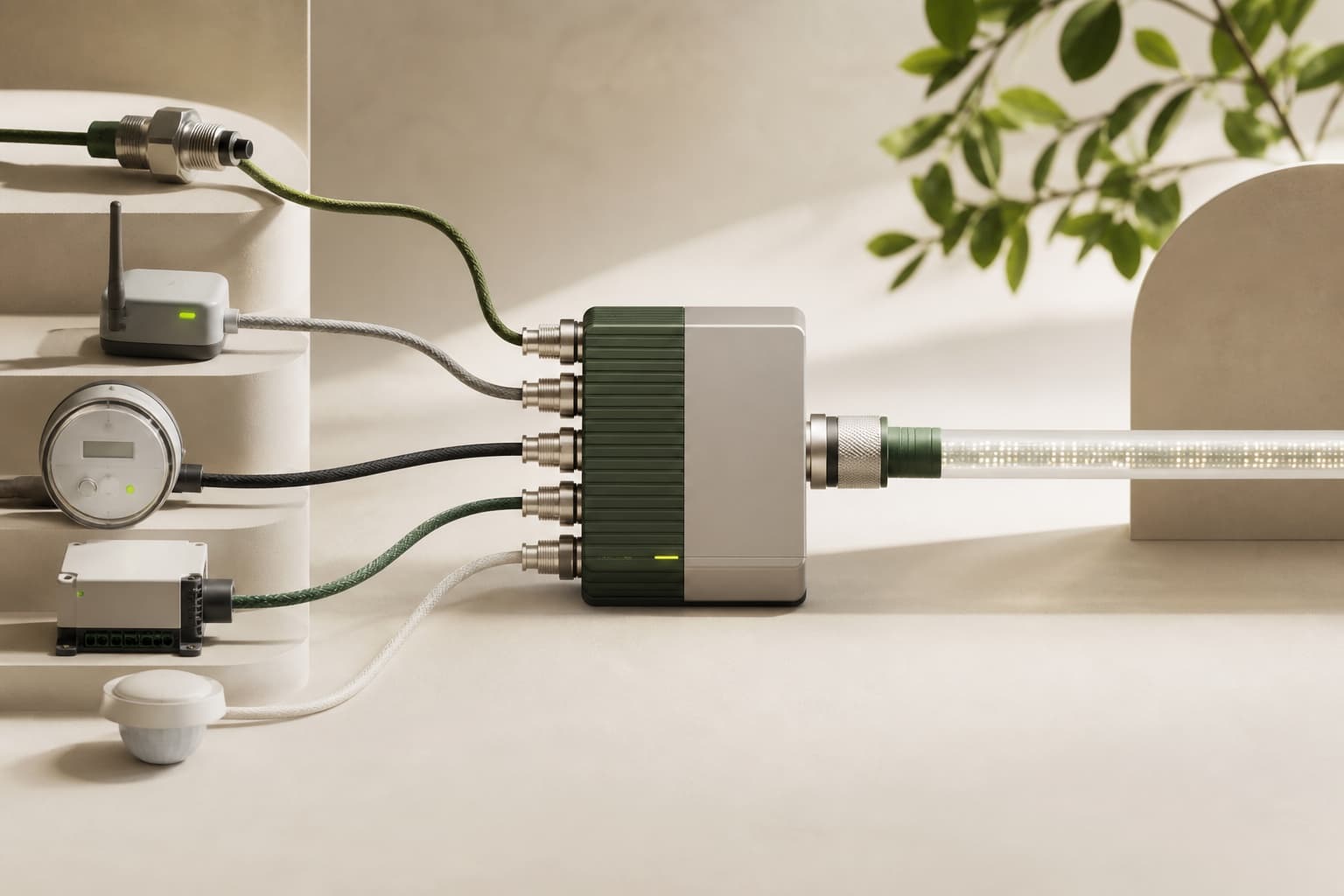
Every device has its own communication protocol, data format, and quirks. A well-designed integration hides this complexity and delivers consistent, meaningful data to the applications that depend on it.
What this series will cover
Over the next posts, I will be sharing practical insights from device integration projects, including:
- Communication protocols — Modbus, MQTT, REST APIs, OPC UA, and BLE
- Integration architectures
- Common challenges — and how to solve them
- Security and reliability best practices
- Lessons learned from real-world implementations
Whether you are building IoT solutions, integrating industrial equipment, or connecting smart devices to enterprise applications, I hope this series gives you practical ideas you can apply in your own projects.